



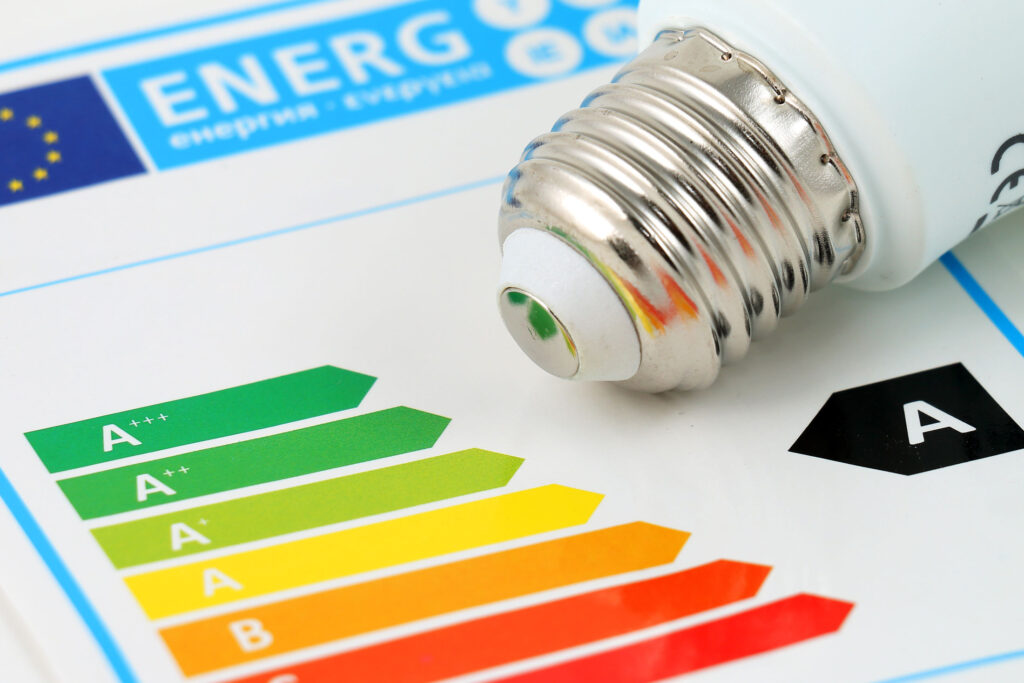
If you’re selling, renting, or improving a home in Canterbury or the surrounding Kent area, you may have heard that Energy Performance Certificates (EPCs) are changing.
The government is introducing a new system called the Home Energy Model (HEM), which will eventually replace the current RdSAP methodology used for domestic EPCs.
So what does this actually mean for you as a homeowner or landlord? Will EPC ratings change? What about MEES rules? And will electric-heated homes finally be treated more fairly?
Here’s a plain-English breakdown from a domestic EPC assessor’s perspective.
What Is the Home Energy Model (HEM)?
The Home Energy Model (HEM) is the government’s new way of calculating EPCs for domestic dwellings in England and Wales.
It will eventually replace RdSAP, which has been used for years but is widely considered outdated.
Why the change?
The current EPC system:
- Uses simplified assumptions
- Heavily favours gas heating
- Struggles to fairly assess modern low-carbon homes
HEM is designed to:
- Be more accurate
- Better reflect real-world energy performance
- Support the UK’s move towards low-carbon heating
How EPCs Will Change Under HEM
No longer just one A–G rating
Under the new system, EPCs won’t rely on a single overall score alone. Instead, homes will be assessed using multiple headline metrics, likely including:
- Fabric efficiency – how well insulated the building is
- Heating system performance – efficiency and carbon impact
- Energy costs – predicted running costs
- Smart readiness – ability to use smart controls, storage, EV charging etc.
This gives a clearer and fairer picture of how a home actually performs.
For example:
A well-insulated home with electric heating may score strongly on fabric, even if the heating system itself needs improvement.
Will This Affect Existing EPCs?
Not immediately.
- Current EPCs remain valid until they expire (10 years)
- HEM-based EPCs are expected to roll out from around 2026
- There will likely be a transition period where both systems exist
If you need an EPC now for:
- Selling a property
- Renting a property
- MEES compliance
👉 The current EPC system still applies
What Does This Mean for MEES (Minimum Energy Efficiency Standards)?
At present:
- Rental properties must meet EPC E or above
- There are proposals to raise this to C in future
Under HEM:
- MEES may no longer rely on a single EPC letter
- Compliance could depend on specific metrics, such as fabric efficiency or heating system performance
This could mean:
- A landlord might pass on insulation but fail on heating
- Targeted upgrades rather than “chasing a letter”
⚠️ Important:
The exact MEES rules under HEM are not final yet, but change is coming.
Will Electric-Heated Homes Be Rated More Fairly?
This is one of the biggest changes.
Under the current EPC system:
- Electric heating often scores poorly
- Gas boilers are heavily favoured
- Even efficient electric systems can look bad on paper
Under HEM:
- Low-carbon heating (like heat pumps) is expected to score better
- Heating systems will be judged more on carbon impact, not just fuel cost
- Fossil fuel systems may be capped in how high they can score
This means:
✅ Heat pumps should rate more fairly
✅ Well-insulated electric homes won’t be automatically penalised
⚠️ Old direct electric heating without controls or storage may still score lower
So yes — the model is deliberately shifting away from gas-favouritism.
How Will This Affect EPC Assessments in Canterbury?
For homeowners and landlords in Canterbury, Whitstable, Herne Bay, Faversham and nearby towns, this means:
- EPCs will become more informative
- Upgrade advice will be more specific
- Fabric improvements (insulation, glazing, airtightness) will matter more
- Heating choices will have long-term EPC implications
From an assessor’s point of view, EPCs will:
- Use better data
- Rely less on blanket assumptions
- Provide clearer upgrade pathways
What Should Homeowners & Landlords Do Now?
You don’t need to panic — but it is smart to plan ahead.
Good future-proof upgrades include:
- Loft and wall insulation
- Draught-proofing
- Efficient heating controls
- Preparing for low-carbon heating
- Improving overall fabric before changing heating
These improvements will benefit EPCs both now and under HEM.
EPCs in Canterbury – Get Local, Up-to-Date Advice
If you need an EPC in Canterbury or East Kent, it’s important to work with an assessor who understands:
- Current EPC rules
- Upcoming changes like HEM
- MEES compliance for landlords
- How to future-proof your property’s rating
At Hive EPCs, we carry out accurate domestic EPC assessments using the latest standards — and we keep a close eye on upcoming changes so you’re not caught out later.
Local EPC assessor in Canterbury & Kent
Domestic EPCs for sales, rentals & compliance
Friendly, practical advice — no jargon