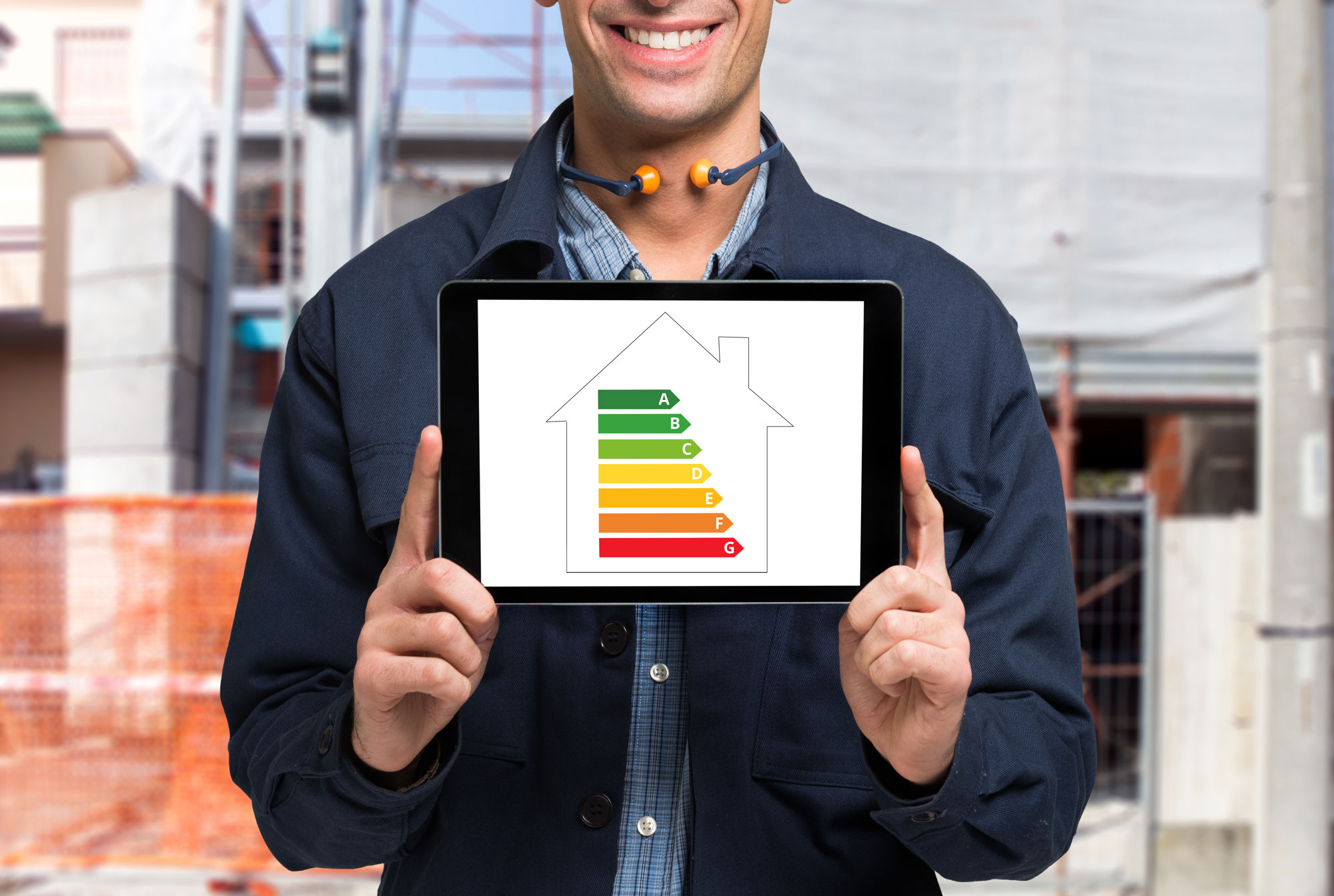
An Energy Performance Certificate (EPC) is a document that rates how energy efficient a home is, on a scale from A (most efficient) to G (least efficient). You need a valid EPC when you sell, rent out or build a home in England and Wales, and it lasts for 10 years.
It is produced by an accredited domestic energy assessor after a short survey of the property, and lodged on the government’s national EPC register, where anyone can look it up.
What does an EPC show?
Every EPC includes:
- The current energy rating: a band from A to G, with a score out of 100
- The potential rating: what the home could reach if the recommended improvements were made
- Estimated energy costs for heating, hot water and lighting
- Recommended improvements, such as insulation, heating controls or solar panels, with typical costs
- The environmental impact: the home’s estimated carbon dioxide emissions
EPC rating bands
- A: 92 or more
- B: 81 to 91
- C: 69 to 80
- D: 55 to 68
- E: 39 to 54
- F: 21 to 38 (see what band F means)
- G: 1 to 20
When do you need an EPC?
You need a valid EPC:
- Before you put a home on the market to sell (EPCs for selling)
- Before you let a property to new tenants (EPCs for landlords)
- When a new home is built
Some properties are exempt, but far fewer than people often assume. See EPC exemptions and EPCs for listed buildings.
How long is an EPC valid for?
An EPC is valid for 10 years and can be reused for any sale or letting in that time. If you have improved the home since your last EPC, a new assessment may show a better rating.
You can check whether a home already has an EPC, and what it says, on the government EPC register.
What happens during an EPC assessment?
1. The survey. An accredited assessor visits and carries out a non-invasive survey. A visit can take up to two hours, depending on the size of the home and features such as extensions, roof rooms or renewable technology. We record:
- Wall construction and loft insulation
- The heating system, boiler and heating controls
- Windows and glazing
- Lighting
- Ventilation and any renewables, such as solar panels or a heat pump
2. The calculation. The survey data goes into government-approved software using the current RdSAP 10 method, which calculates the rating and the recommendations.
3. The certificate. The EPC is lodged on the national register, usually the same day, and emailed to you, ready for your estate agent, letting agent or solicitor.
Why the accuracy of an EPC matters
An EPC is only as good as the survey behind it. A rushed assessment can miss evidence that counts, such as the age of an extension, a loft conversion or insulation you cannot see, and leave points off your rating. For landlords, that can decide whether a home can be let. How to choose a quality EPC assessor.
EPCs and rented homes
Rented homes must currently reach at least band E, unless a valid exemption is registered. The government has set out plans for the minimum to rise to band C by 1 October 2030. MEES regulations explained.
Is the EPC changing?
The government plans to replace the current rating method with the Home Energy Model, expected from late 2027. EPCs produced now under RdSAP 10 remain valid. See EPC changes explained for the new scores and key dates, or what the Home Energy Model means.
Frequently asked questions
Who can carry out an EPC?
Only an accredited domestic energy assessor. Our assessors are Quidos-accredited and use the current RdSAP 10 method.
How much does an EPC cost?
It depends on the size and type of home and whether you add a floor plan. Tell us about the property and we will give you a fixed price before booking.
Can you fail an EPC?
No. There is no pass or fail, but a low rating can affect whether a home can be let and how buyers see it.
Is an EPC the same as a survey?
No. An EPC only assesses energy efficiency. It is not a structural or valuation survey.
We carry out EPCs across East Kent, including Canterbury, Herne Bay, Whitstable, Faversham, Thanet, Deal, Sandwich, Dover, Folkestone and Ashford. Get your EPC quote or call 01304 626457.