



Understanding EPC Band F: What It Means, Why It Happens & How to Improve It
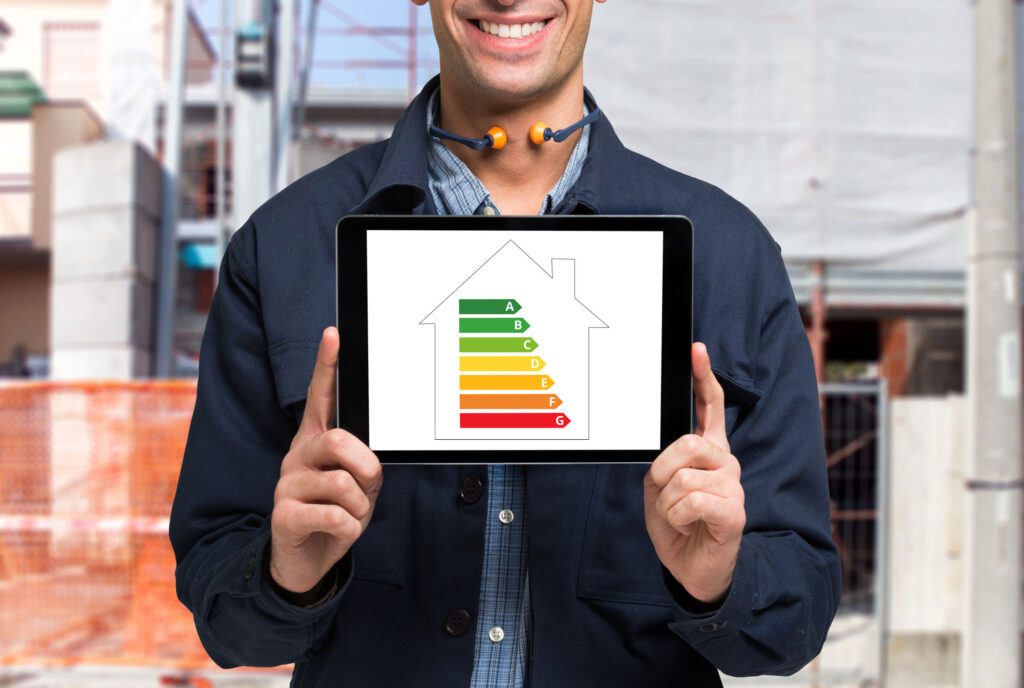
An EPC (Energy Performance Certificate) assesses how energy-efficient a property is, scoring it on a scale from A (most efficient) to G (least efficient). When a property receives a Band F, it indicates poor energy performance—though it’s marginally better than a Band G. As of 2025, regulations are expected to tighten further, possibly raising minimum standards to Band C.
Below, you’ll find:
Common Causes of an F Rating
When an assessor generates an EPC, they evaluate many factors across your property, including:
Around 80% of your EPC score is influenced by just three critical elements:
- The heating system and how well it’s controlled
- The insulation in your home
- The fuel type used for heating
Why Fuel Type Makes a Big Difference
Your choice of heating fuel can significantly affect your EPC rating. Some fuels are more costly (per kWh) than others, which drags your rating down. For example:
In many rural properties or older homes without access to mains gas, reliance on fuels like LPG or expensive electricity often leads to a Band F rating because these fuels cost more to generate the same amount of heat over time.
Legal & Financial Consequences of a Band F Rating
Renting
Since April 2020, it’s illegal to lease a property with an EPC rating of F or G—unless a valid exemption applies. This is enforced under the Minimum Energy Efficiency Standard (MEES).
Running Costs & Comfort
Homes rated F or G tend to have higher heating bills. Furthermore, residents may under-heat spaces to save costs, which often leads to dampness, mould, and condensation—especially around uninsulated walls or roof areas.
Mortgages & Sales
While properties being sold don’t legally have to meet a minimum EPC rating, some lenders may impose additional restrictions or more cautious lending criteria for homes below Band E.
How to Raise Your EPC Rating
The goal—for now—is to achieve a minimum E (score of 39 or higher). In many cases, you’ll need to improve at least one of the three major factors (insulation, heating, fuel). If your current EPC misses the target by less than 8 points, you may only need smaller interventions like better controls, upgraded thermostats, or energy-efficient lighting.
Here’s a step-by-step approach:
1. Update or get a fresh EPC
Older certificates may not reflect recent improvements or changes. Requesting an updated EPC ensures the assessor works with the latest conditions in your property.
2. Provide evidence for hidden insulation
Assessors need proof (photos, invoices, building plans) for insulation they can’t see—especially in floors, lofts, roofs or cavity walls. Without evidence, the EPC software assumes no insulation in those areas, which drags your score down.
3. Ask your assessor for a MEES improvement report
This is a specialised report where different upgrade scenarios are modelled. It helps you see which improvements will give you the best “score-per-pound” gains and helps you prioritise upgrades. Note: you may incur additional assessor fees for this.
4. Prioritise improvements carefully
Some upgrades deliver higher returns than others. Focus on:
- Improving insulation (walls, loft, floors)
- Upgrading your heating system or adding better controls
- Considering a more efficient fuel source
If after spending up to £3,500 (including VAT) your property still doesn’t reach Band E, you may qualify for a MEES exemption—though this should be a last resort.
You can also read about how to improve your rating by visiting our maximise your rating and what is an EPC pages.
👉 Call us now on 01304 626457 or use our online booking form to get started.