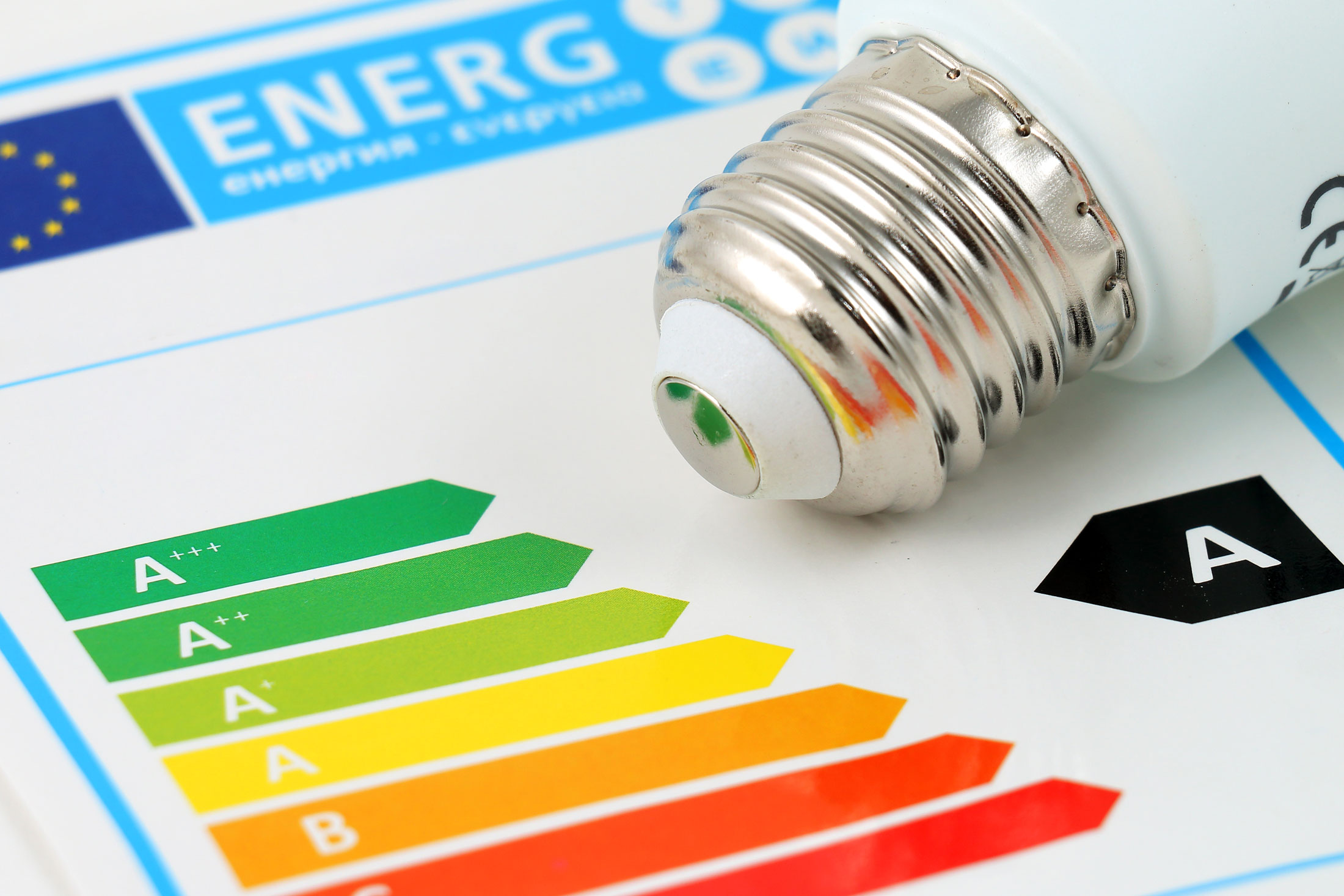
There are three main types of EPC in England and Wales: a domestic EPC for an existing home, a new build (on-construction) EPC for a newly built home or a conversion that creates a new home, and a commercial (non-domestic) EPC for shops, offices and other business premises. Each uses a different calculation method and has to be produced by a different type of accredited assessor, but all three last ten years and are lodged on the same government register.
| Type | Used for | How it is calculated | Who produces it | Rating scale |
|---|---|---|---|---|
| Domestic EPC | Existing houses and flats being sold or let | RdSAP (Reduced Data SAP), from a survey of the home | Domestic Energy Assessor (DEA) | A to G |
| New build EPC | Newly built homes and conversions that create a new home | Full SAP, from the plans and specification, confirmed on completion | On-Construction Domestic Energy Assessor (OCDEA) | A to G |
| Commercial EPC | Shops, offices, warehouses and other non-domestic buildings | SBEM for Level 3 and 4 buildings, dynamic simulation modelling for Level 5 | Non-Domestic Energy Assessor (NDEA) qualified at the right level | A+ to G |
Domestic EPCs: existing homes
A domestic EPC is the one most people need. It covers an existing house, bungalow or flat and is required before the home is marketed for sale or let. A Domestic Energy Assessor visits, measures the home and records the construction, insulation, heating, hot water, windows, lighting and any renewables, then the software works out the rating using RdSAP. The current version, RdSAP 10, has been in use since June 2025.
The certificate is valid for ten years and is lodged on the government register. For landlords, rented homes must currently be band E or above, rising to band C by 1 October 2030. You can check an existing EPC by postcode to see whether your home already has a valid one.
This is the EPC we carry out every day. See our guides to EPCs for selling and EPCs for landlords.
New build EPCs: newly built and converted homes
A new build EPC is produced by an On-Construction Domestic Energy Assessor using full SAP rather than RdSAP. Instead of surveying a finished home, the assessor works from the drawings and specification while the home is designed, usually producing a predicted energy assessment first, and then confirms the details once it is built so the EPC can be lodged on completion. It forms part of Building Regulations sign-off, so the builder or developer arranges it, not the buyer.
The same usually applies when a building is converted into a new home, such as a barn conversion or a house split into flats. From 24 March 2027 new homes in England must meet the Future Homes Standard, assessed at first with SAP 10.3, with the government’s new Home Energy Model following later.
If you have bought a new build, ask the developer for the EPC. If you sell or let it within ten years you can usually use that same certificate, and you only need a domestic EPC once it has expired or the home has changed.
Commercial EPCs: shops, offices and other business premises
A commercial, or non-domestic, EPC rates a business building on a scale from A+ (net zero) to G. It is produced by a Non-Domestic Energy Assessor and is needed when a commercial building is built, sold or let. There are three levels: Level 3 covers simpler buildings such as small shops and offices, Level 4 covers buildings with more complex heating, cooling and ventilation (and all new non-domestic buildings), and Level 5 covers the most complex buildings, which are modelled with dynamic simulation software. Levels 3 and 4 use SBEM, the Simplified Building Energy Model. Like other EPCs, it lasts ten years.
Commercial landlords already need at least band E to let a building. In June 2026 the government confirmed that, from 2031, privately rented non-domestic buildings over 1,000 square metres will need to reach band B where it is cost-effective, while smaller buildings stay at band E for now. The earlier plan for band C by 2027 has been dropped, and further detail is expected in the government’s full response.
Mixed-use buildings: a flat above a shop
A building with a shop downstairs and a self-contained flat above usually needs two certificates: a commercial EPC for the shop and a domestic EPC for the flat. Each part is assessed separately, by the right type of assessor, if it is sold or let.
Which EPC do I need?
- Selling or letting an existing house or flat: a domestic EPC.
- Building a new home, or converting a building into homes: a new build EPC, arranged through your SAP assessor or builder before completion.
- Selling or letting a shop, office or other business premises: a commercial EPC at the right level.
- A flat above a shop: usually a domestic EPC for the flat and a commercial EPC for the shop.
Not every building needs an EPC at all. Our guide to EPC exemptions explains which properties are exempt, and our guide to listed buildings and EPCs covers older homes.
Which EPCs do Hive EPCs carry out?
We are a small, local, Quidos-accredited team based in Herne Bay, carrying out domestic EPCs for existing homes across East Kent, Maidstone and Medway since 2008. We don’t currently produce new build or commercial EPCs, but if you call us on 01304 626457 we will happily point you in the right direction. You can also find accredited assessors of every type on GOV.UK.
Need an EPC for your home? Get a quote from our local team and we will lodge your certificate the same day as the visit.
Questions about the different types of EPC
Is a commercial EPC the same as a domestic EPC?
No. They use different calculation methods (SBEM or dynamic simulation for commercial buildings, RdSAP for existing homes), different rating scales (A+ to G for commercial, A to G for homes) and they must be produced by different types of accredited assessor.
Can a domestic energy assessor produce a commercial EPC?
No. A commercial EPC must be produced by a Non-Domestic Energy Assessor accredited at the right level (3, 4 or 5) for the building. A domestic assessor can only produce EPCs for existing homes.
How long does a new build EPC last?
Ten years, the same as every other EPC. If you sell or let a new build within ten years of completion you can usually use the original certificate.
Does a flat created by a conversion need a new build EPC?
Usually, yes. When a building is converted into new homes, each new flat or house normally needs an on-construction EPC produced with full SAP as part of Building Regulations sign-off. After that, any future EPC for resale or letting is a domestic EPC.