



Improve your EPC
Insulation, heat pumps, solar and quick wins explained by a local Kent EPC team. We assess homes and can point you to installers we rate.
At a glance
This hub brings together honest, practical advice on improving your home’s EPC rating and energy efficiency.
It covers the main improvements insulation, heat pumps, solar, glazing and quick wins and what each tends to do to your rating.
We’re a local Kent EPC assessment team, not an installer. We can model improvements for your home and point you towards installers we rate.
The main ways to improve your EPC rating


Where improving your EPC starts
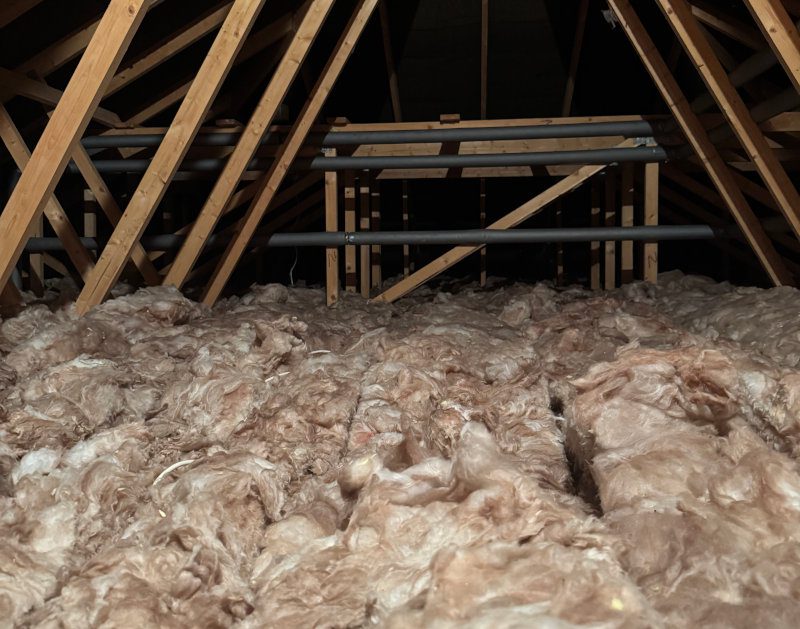
Getting it right usually starts with a site visit to gather accurate, up-to-date data on your property. From that reliable baseline we can model improvements properly in our RdSAP software — showing which measures would have the biggest impact for your specific home, rather than relying on generic estimates or an old, often inaccurate, certificate.
We also make sure the dwelling is fully maximised as it stands first, so you’re working from the best possible starting point before spending anything on improvements. It’s surprising how often a rating can be improved simply by assessing the home accurately.
And we keep an eye on what’s coming. The EPC system is evolving towards the new Home Energy Model (HEM), which will change how ratings are calculated. Depending on your property, the smart move may be to lock in a band C under the current system now, or to plan improvements with the future rules in mind. We’re happy to talk both through with you.
We’re a local Kent EPC assessment team, not an installer — so this advice is honest and independent. We can model improvements for your home and point you towards installers we rate.
Landlord? The minimum standard is rising to EPC C by 2030
Reaching band C means combining good insulation with either a heat pump or solar. Our landlord guide explains exactly what’s needed and how to plan for it.
How much will each improvement add to my rating?
This is the question everyone asks and the honest answer is: it depends on your property and it can only be answered accurately for your specific home. Two things are worth knowing. First we can model improvements using our RdSAP 10 software so instead of general estimates we can give you real figures for your home. As an illustration of the kind of modelling we do:
Secondly, and this catches a lot of people out, you can’t safely rely on your existing EPC as the starting point. Many older certificates contain errors, and most were produced before the current RdSAP 10 methodology, so they’re effectively obsolete for planning improvements today. An inaccurate baseline means inaccurate projections.
The thorough way to plan: a draft EPC
If you want to plan improvements accurately — especially before spending money — the best starting point is a draft EPC: an accurate, current assessment of your home under RdSAP 10 methodology. From that reliable baseline we can model what each measure would be likely to add, so you can prioritise with confidence.
The process is simple: we carry out a draft EPC to establish your accurate starting point, model the improvements you’re considering, and point you towards installers we rate. Once the work’s done, we revisit to complete and lodge your EPC with the measures included — capturing the improvement on a certificate you can trust.
To be clear, this is optional. If you just want to understand your options and be pointed towards good installers, that’s completely fine — just get in touch. The draft EPC is simply the most accurate way to do it.